



EV Prices Continue Upward Trend
CarGurus.com reveals the average listing price for a new electric vehicle stood just under $60,000 at the end of June, marking a 13% increase since February.

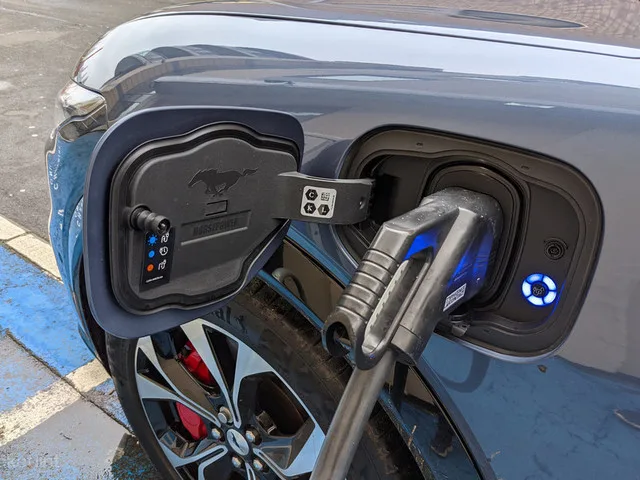
Creative Commons
CarGurus.com research reveals the average listing price for a new electric vehicle stood just under $60,000 at the end of June, marking a 13% increase since February.
Used EVs saw a higher price increase, up 54% since February at just over $62,000.
Those figures are for electric vehicles sold through dealers. Data from companies that sell direct to consumers, such as Tesla, Rivian and Lucid, are not included.
CarGurus director of industry insights and analytics Kevin Roberts reports high demand amid production constraints is not the only thing driving up prices.
“When gas prices started to go up, the most cost-effective EV s were quickly taken off the market and so the higher prices remain,” Roberts told Forbes.com. “Automakers are having to raise EV prices because commodity prices going up.”
Some companies even purchase EVs then resell them at a profit, Roberts said.
High fuel prices spike interest in EVs and fuel-efficient passenger cars. According to AAA, the average price for a gallon of regular gasoline nationally was $4.67 on July 11, 32 cents lower than in June, but still $1.53 higher than a year ago.
CarGurus’ research shows consumer interest in new and used EVs began to dip as gas prices slipped.
The National Automobile Dealers Association reported battery electric vehicles accounted for 4.8% of sales, hybrid vehicles, 5.9%, and plug-in hybrid vehicles (PHEV) for 1.4% of sales in June.
This shows growing demand for EVs. Consumers. However, a rush to buy fuel efficient cars may eclipse a wholesale shift to EVs.
“For the industry it's a difficult situation. They're coming out with a lot of electrics in the marketplace but we're having such production issues that it's going to be difficult to meet that demand,” explained Roberts. “With used, we 're completely dependent on how many used vehicles are in the market and we just didn't sell many electric vehicles compared to what's out there. So, it's a pretty limited pool. Demand has gone up with gas prices but with such limited supply on the new and used front it's difficult to see if there's going to be a massive shift to EVs currently.”
Originally posted on Auto Dealer Today
More Showroom

New Cars Less Affordable
Buying conditions eroded for American shoppers last month due to inflation and interest rates, though they fared better than a year ago.

October Sales Divided
Inventory trends split between the new- and used-vehicle markets, though prices continued to rise for both in October.

Auto Transaction Prices Hit New Height
October sales of big, pricey models push up the average, even as budget-conscious consumers snag more economical options.

Making the Safe Choice
Kelley Blue Book has turned households with teen drivers onto safe and affordable options for their vehicles of choice

Inventory Holds Steady
September new-vehicle inventory rose slightly month-over-month, but dealer lots are laden with MY2026 vehicles as the typical model year changeover trudges along.

October Auto Sales Fall With the Leaves
A forecast anticipates retail deliveries are down this month as consumers continue to face cost challenges, though more are tapping long loans in order to buy.

California Sees Quarterly Gains
California’s new-vehicle market saw a boost in hybrids in the third quarter and its first overall quarterly market gain of the year.

New-Vehicle Prices Stay Put
Affordability pressures and model availability shaped new-vehicle sales in September, according to an analysis by Kelley Blue Book.

EV Buyer Consideration Shifts
What drives American consumers to purchase an electric vehicle is shifting as the question moves away from Should I?' to 'Which features and experience do I want to have?'

Year-to-Date Auto Sales Holding Their Own
A forecast through August shows that automakers have shifted strategies to keep deliveries and revenues up despite tariffs and other economic challenges.