



EV Sales, Charger Growth Mismatched
Study shows infrastructure development isn’t keeping pace with gradual EV adoption.


Range anxiety, or driver worry about being able to keep an EV charged while on the road, is consistently cited as one of the major reasons many consumers pass over pure EVs.
Pixabay/Joenomias
U.S. electric-vehicle sales are gradually growing, but charging infrastructure growth isn’t keeping pace, according to a new report.
Second-quarter new light-duty EV sales grew 1% over the first quarter and year-over-year, according to the Alliance for Automotive Innovation.
Registered EVs totaled more than 386,000, up 9% year-over-year and representing an 8% jump in EVs in operation quarter-over-quarter.
Meanwhile, public EV chargers increased by 6% quarter-over-quarter, the alliance reported, for 38 new EVs for every new public charging point, the alliance reported. Looking at the whole EV picture, 5 million of them are on the road, but there are just 177,330 public chargers, or 29 EVs per port.
Range anxiety, or driver worry about being able to keep an EV charged while on the road, is consistently cited as one of the major reasons many consumers pass over pure EVs in favor of hybrids or gas-powered models.
The Biden administration has worked to increase public charging infrastructure, but development hasn’t kept pace with EV adoption, however gradual it may be and behind automakers’ earlier optimistic expectations.
When it comes to EV adoption, some states are further along than others, with California leading the way at 27% of vehicle registrations, followed by Colorado and Washington, D.C., both at 19%, and Oregon, at 16%. EVs also exceed 10% of registrations in seven other states.
Hybrids have taken off in sales as EV growth slowed. The alliance’s report shows they increased 3% year-over-year as gas- and diesel-powered market share fell 4%.
More Industry
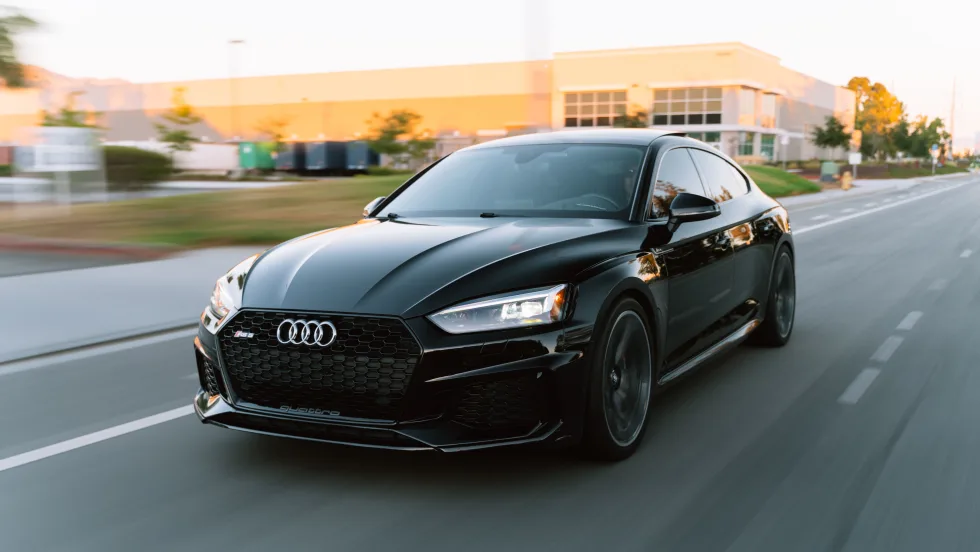
Audi Launches Subsidiary
The German automaker announced a new business model focused on recycling and reusing vehicles and parts and strengthening its supply chain.
Read More →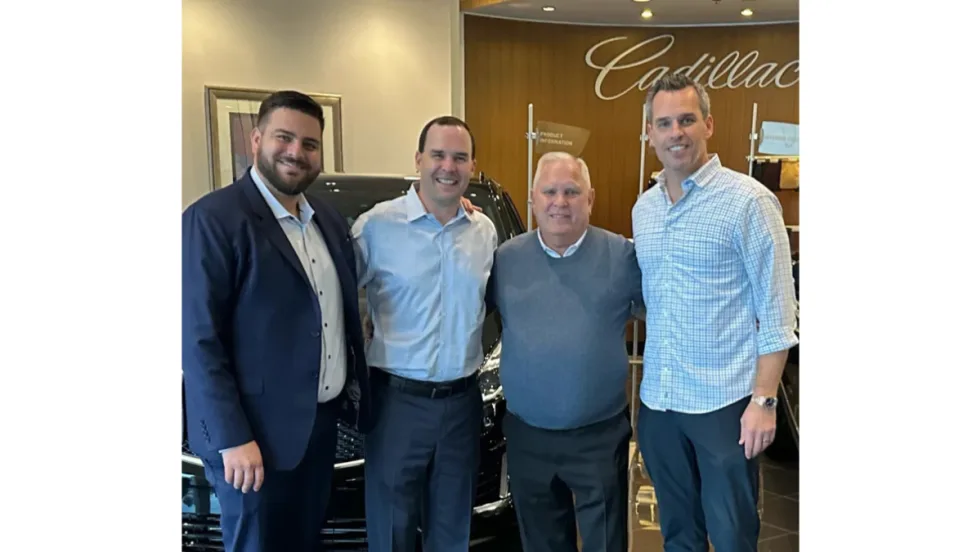
Philly Family Sells Stores
The Hills are exiting the automotive retail market after serving the Philadelphia area for more than 30 years.
Read More →
Automakers Must Switch Routes to Compete With China
An analysis of the ascendant players’ increasing market share and how they got there advises Western OEMs to follow a similar playbook to protect their businesses.
Read More →
Managing Expectations
Learn how proactive communication, setting clear expectations, and providing solutions when plans change can strengthen customer trust and improve the overall service experience.
Read More →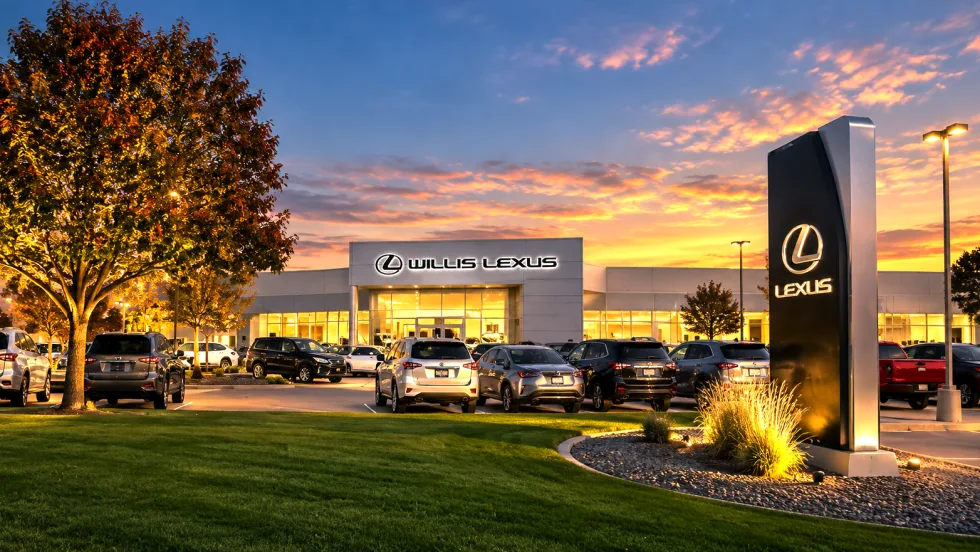
Hawkeye State Dealerships Trade Hands
One auto group and a single store sell as part of a recent deluge of U.S. buy-sell transactions making 2026 a hot M&A year.
Read More →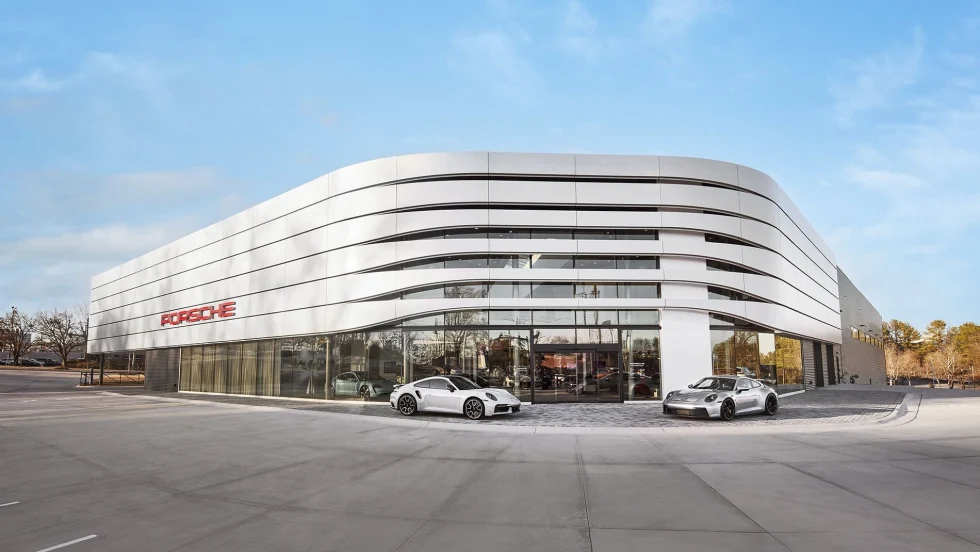
Mainstay Georgia Auto Group Sells
Acquisition by Group 1 extends its presence in the U.S. luxury retail market with the addition of the 10-store stable.
Read More →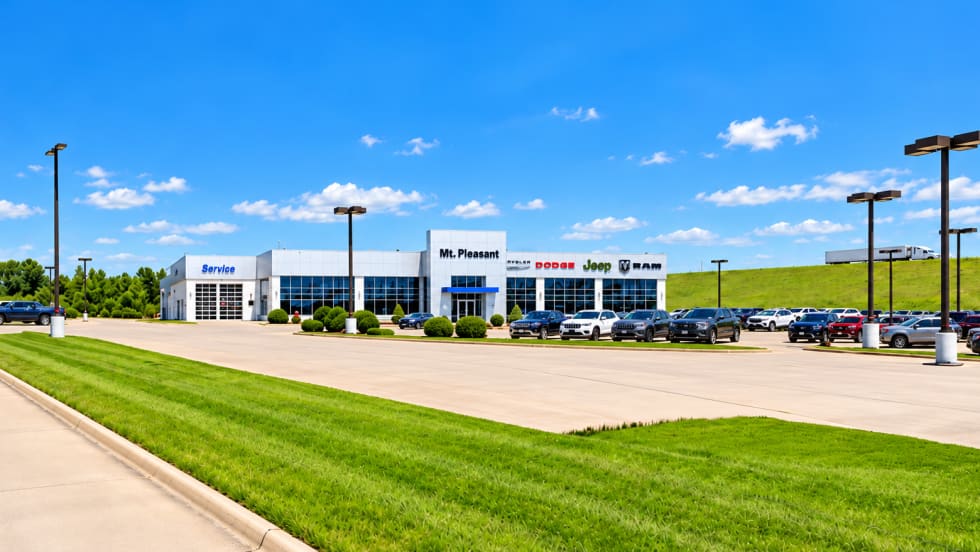
New Auto Group Enters the Market
The Iowa transaction involved a Chevrolet GMC Chrysler Dodge Jeep Ram rooftop.
Read More →
Connection Drives Consideration
Convenience and safety are top priorities for American drivers when it comes to connected vehicles and the services they expect with their next car.
Read More →
New-Vehicle Prices Stay Put
Affordability pressures and model availability shaped new-vehicle sales in September, according to an analysis by Kelley Blue Book.
Read More →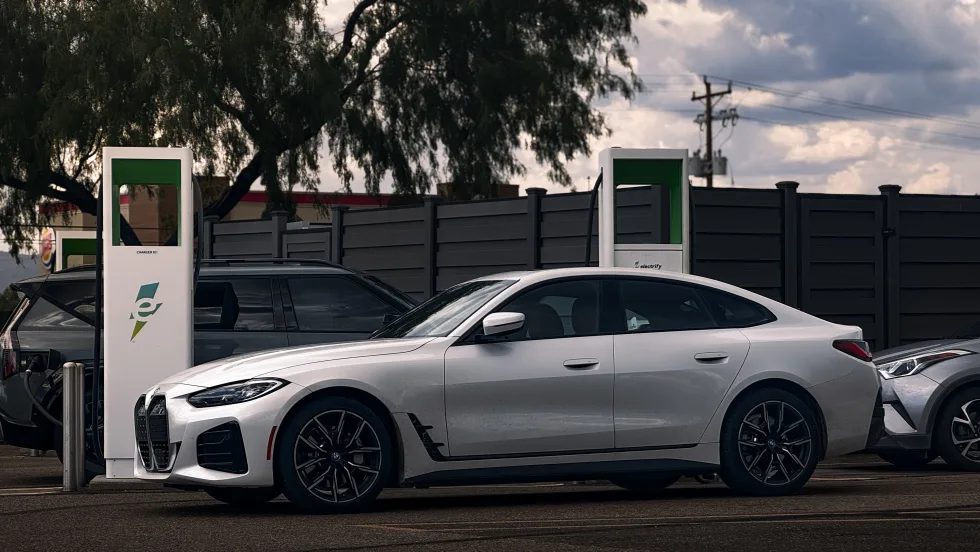
EV Buyer Consideration Shifts
What drives American consumers to purchase an electric vehicle is shifting as the question moves away from Should I?' to 'Which features and experience do I want to have?'
Read More →