



Mass-Market Brands Pose Fewer Problems
Annual survey reveals more repairs for higher-tech premium, electric vehicles.


Top problems include confusion and irritation with sometimes wrong signals and warnings, and problems with connecting to infotainment systems and operating controls.
Pexels/Pixabay
Increasing layers of technology are putting vehicles in the shop more often, a new study shows.
The J.D. Power U.S. Initial Quality Study found a high industry average of 195 problems per 100 vehicles. Premium and electric vehicles, with their often more complicated systems, fared the worst.
“It is not surprising that the introduction of new technology has challenged manufacturers to maintain vehicle quality,” said J.D. Power Senior Director of Auto Benchmarking Frank Hanley in a press release on the study results.
Though the added sophistication has come with issues, improvements were observed in the research. For instance, Hanley said voice recognition features and parking cameras presented fewer problems than they did last year.
Lingering problems include owner confusion and irritation with sometimes wrong and often annoying signals and warnings. Many also struggle to connect to Android and Apple infotainment systems and operate controls and displays.
In a strange turn of events that turns the transcendent new-car smell on its head, complaints of unpleasant interior odors are on the rise, often issuing from heating, ventilation and air conditioning systems.
Average problems per 100 cars broke down like this:
Industry – 195 PP100
Mass-market brands – 181 PP100
Premium brands – 232 PP100
Gas and diesel vehicles – 180 PP100
Battery-electric vehicles – 266 PP100
Traditional OEM BEVs – 266 PP100
Tesla BEVs – 266 PP100
J.D. Power points out that though fans of electric vehicles say they require fewer repairs than gas-powered models, its research shows that at least so far, the opposite is true.
“Owners of cutting edge, tech-filled BEVs and PHEVs are experiencing problems that are of a severity level high enough for them to take their new vehicle into the dealership at a rate three times higher than that of gas-powered vehicle owners,” Hanley said.
Its findings also show that traditional automakers have closed the gap on EV quality with Tesla, their average PP100 mirroring the market leader’s.
The highest ranked brand in the study is the Ram at 149 PP100. The top mass-market and premium brands are Chevrolet at 160 PP100 and Porsche at 172 PP100.
More than 99,000 owners and lessees of new 2024 models responded to the survey’s 38th edition after three months of use.
Originally posted on Auto Dealer Today
More Industry
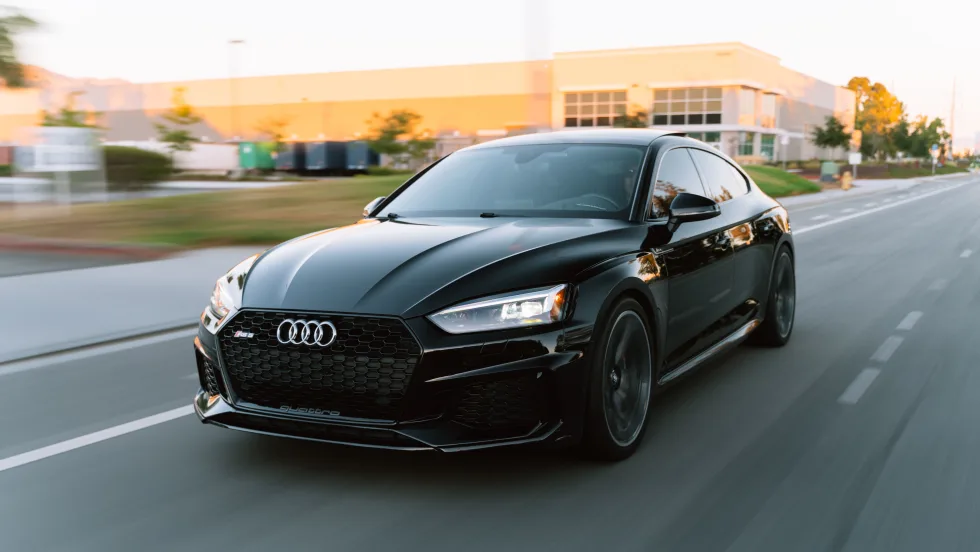
Audi Launches Subsidiary
The German automaker announced a new business model focused on recycling and reusing vehicles and parts and strengthening its supply chain.
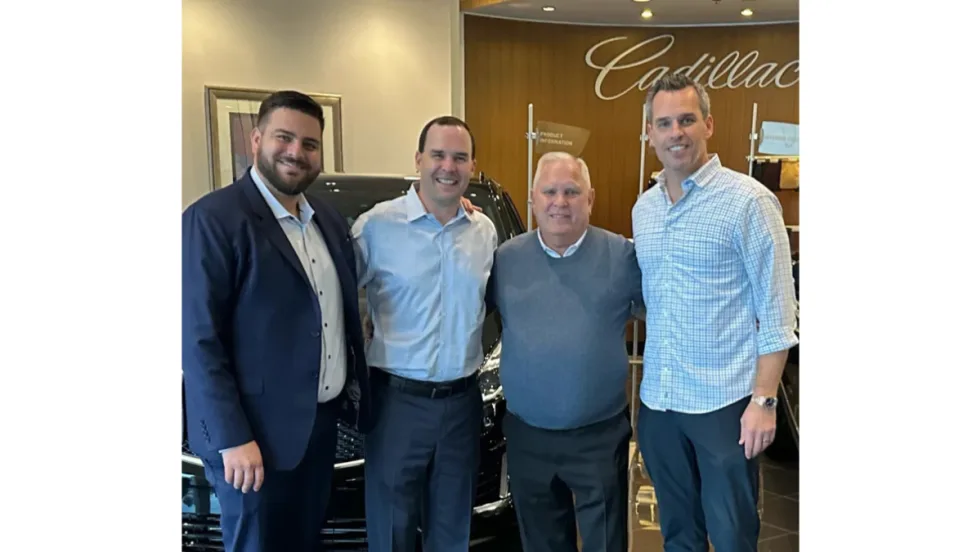
Philly Family Sells Stores
The Hills are exiting the automotive retail market after serving the Philadelphia area for more than 30 years.

Automakers Must Switch Routes to Compete With China
An analysis of the ascendant players’ increasing market share and how they got there advises Western OEMs to follow a similar playbook to protect their businesses.
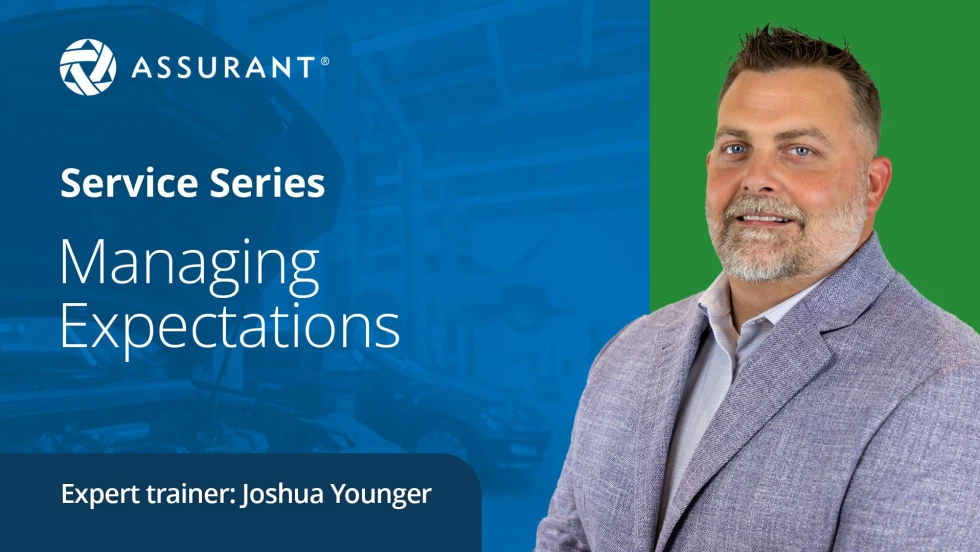
Managing Expectations
Learn how proactive communication, setting clear expectations, and providing solutions when plans change can strengthen customer trust and improve the overall service experience.
Hawkeye State Dealerships Trade Hands
One auto group and a single store sell as part of a recent deluge of U.S. buy-sell transactions making 2026 a hot M&A year.
Mainstay Georgia Auto Group Sells
Acquisition by Group 1 extends its presence in the U.S. luxury retail market with the addition of the 10-store stable.
New Auto Group Enters the Market
The Iowa transaction involved a Chevrolet GMC Chrysler Dodge Jeep Ram rooftop.
Connection Drives Consideration
Convenience and safety are top priorities for American drivers when it comes to connected vehicles and the services they expect with their next car.

New-Vehicle Prices Stay Put
Affordability pressures and model availability shaped new-vehicle sales in September, according to an analysis by Kelley Blue Book.

EV Buyer Consideration Shifts
What drives American consumers to purchase an electric vehicle is shifting as the question moves away from Should I?' to 'Which features and experience do I want to have?'