



Retail Market Poised for Growth
Stabilized inventory and fatter incentives dovetail with big Fed rate cut to make buying conditions more favorable.


Inventory totaled 2.8 million units at the end of August, translating to a days’ supply of 77, similar to early June levels before June's CDK Global DMS disruption.
Pexels/Kelly
Retail auto sales conditions brightened this week as the Federal Reserve lowered interest rates for the first time in four and a half years, vehicle inventory stabilized after the CDK Global DMS disruption, and 2025 models started arriving.
Though new-vehicle prices remain elevated in the wake of pandemic-induced inflation, they did lower slightly in August, while automakers granted higher incentives and consumer incomes grew, said Cox Automotive, which pointed out that Wednesday's interest rate cut of a half point may take a while to trickle down to auto loans.
Inventory totaled 2.8 million units at the end of August, according to Cox, a little above June levels seen before the dealer management system disruption later that month. That translated to a days’ supply of 77, also similar to early-June volume and easily eclipsing the under-60 level a year earlier.
About a quarter of the inventory is made up of 2025 vehicles, Cox said.
Though the average listing price for new vehicles is at $46,841, more than a third are listed for less than $46,000, according to Cox. Coupled with the average incentive package of 7.2% of the average transaction price, plus the interest rate cut, that could bring long-hesitant buyers to the market.
DIG DEEPER: Auto Credit Tougher to Get
More Industry
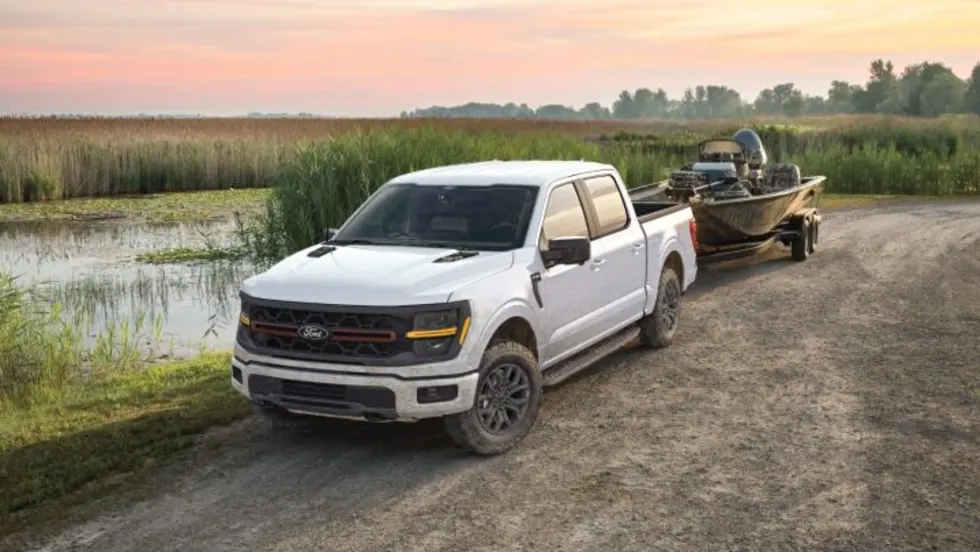
Auto Nameplate Loyalty Holds in Tough Times
Consumers have been faithful to brands despite financial pressures, and JD Power says that’s because automakers have made some wise moves.
Read More →
Top New Jersey RV Store Sells
Myer’s RV Superstore is expanding its footprint in the state with two new locations that it acquired from Ed Hutchinson Jr.
Read More →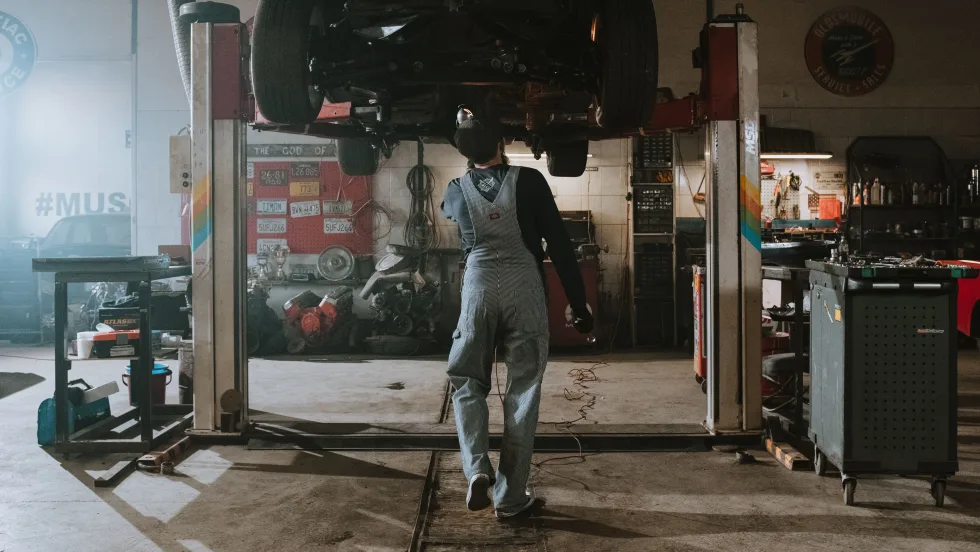
Alliance Analyzes Technician Pipeline
A new industry report examines the state of skilled trades in the U.S. and details the drivers of demand for automotive repair and how technicians enter and grow in the workforce.
Read More →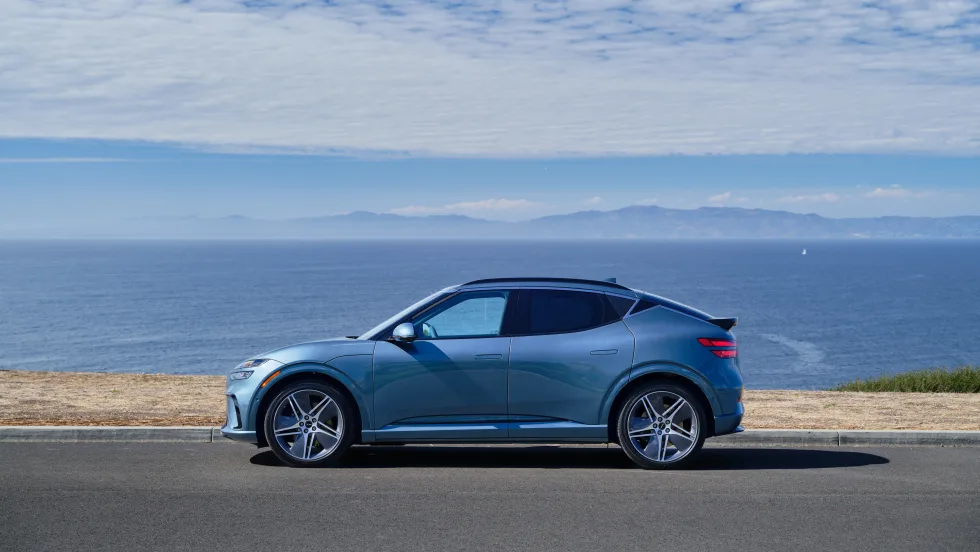
Luxury Rooftop Changes Hands
Genesis of Glenview is getting a new owner and a new location, but its name will stay the same.
Read More →
Future-Proof Your Business
A new industry outlook details several ways that automotive companies can use the rise in artificial intelligence and advanced technologies to their advantage.
Read More →
Dealership Buy-Sells Keep Going Up
First-half transactions reflect continued high appetite for acquisitions despite falling profits, the most sought-after franchises bringing record prices.
Read More →
California Makes Electric Moves
New laws in the Golden State aim to advance consumer access to public electric-vehicle chargers and reduce costs and barriers to its infrastructure.
Read More →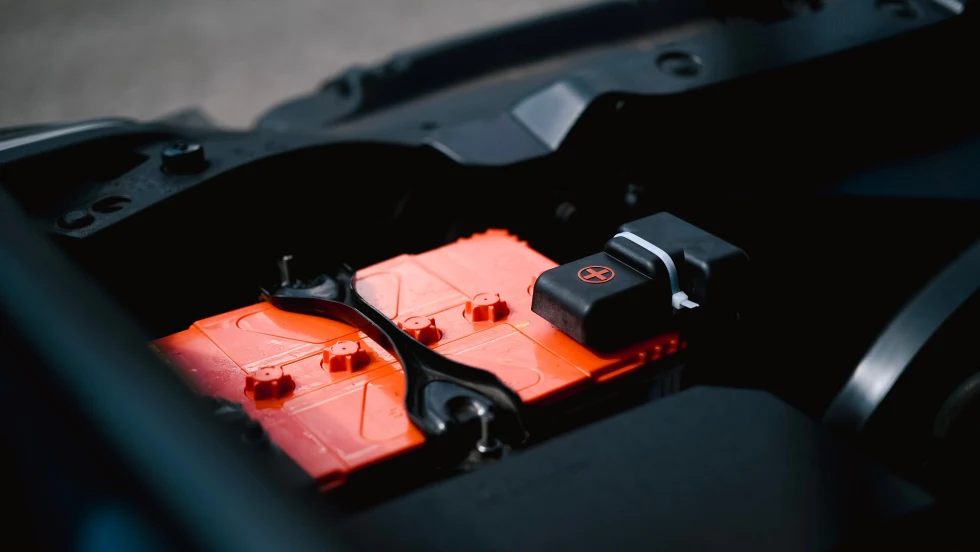
Rare Earths Independence
Automakers seek alternatives to sourcing battery raw materials in volatile markets roiled by trade wars and disrupted supply chains.
Read More →
Volvo Appoints President and CEO
Klaus Zellmer will replace Håkan Samuelsson as president and CEO of Volvo Cars in 2027 as the company makes strategic shifts toward profitability and cash generation.
Read More →
Fix Up Your Fixed Ops
The department may hold untapped potential for your dealership. There are ways to unearth it and turn it around for more profits.
Read More →