



South Korea Seeks Grace Period to New EV Credit Rules
South Korea wants a three-year grace period on the U.S. Inflation Act to enable Korean automakers to keep receiving U.S. electric vehicle (EV) incentives.


South Korea wants a three-year grace period on the U.S. Inflation Act to enable Korean automakers to keep receiving U.S. electric vehicle incentives.
IMAGE: Pixabay
The $430 billion bill, which President Joe Biden signed into law in August, changed the rules for the $7,500 EV tax credit.
Now, for a vehicle to be eligible for the EV tax credit, it must have been assembled—and have a battery built—in North America, with battery minerals mined or recycled on the continent. The first requirement goes into effect immediately, while the rest of the requirements are being phased in. By 2024, at least 50% of EV batteries must come from the U.S., Canada, or Mexico, with that figure rising to 100% by 2028.
The requirement that vehicles be made in America means Hyundai Motor Co. and Kia Corp. are excluded from the tax credit because they do not make EVs in North America.
South Korea wants the U.S. to offer federal EV tax credits for these automakers anyway because they have planned U.S investments.
Hyundai Motor Group broke ground on a $5.54 billion EV and battery plant in the U.S. in October and has announced plans to invest over $10 billion in the United States by 2025 to strengthen its collaboration with U.S. firms in advanced technology, such as robotics, autonomous driving and artificial intelligence.
South Korea also warned the new law may violate trade norms such as the U.S.-South Korea free trade agreement and World Trade Organization agreements.
Originally posted on Auto Dealer Today
More Digital
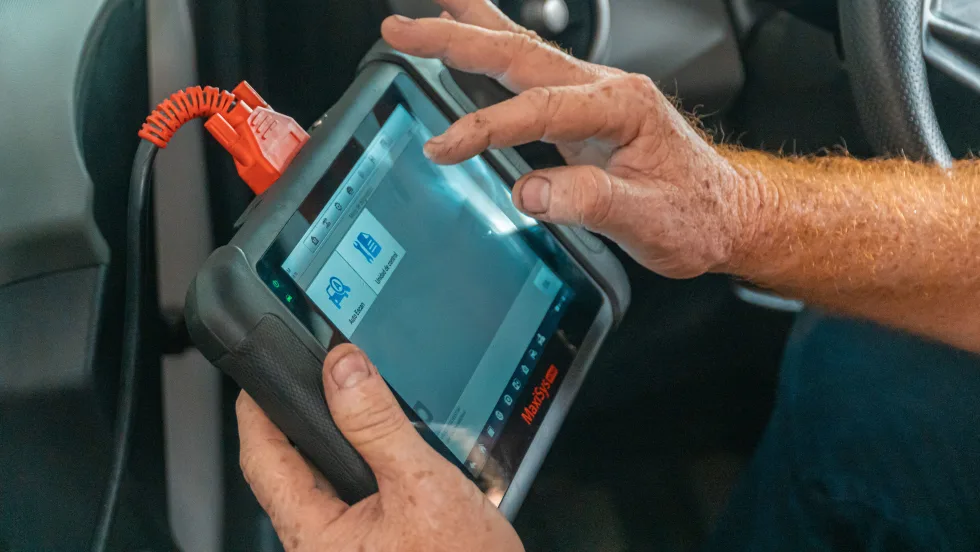
Fixed-Ops Automation Can Help Dealerships Stand Out
Technology turns everyday service repairs into lasting customer loyalty and dealer profitability.

AI and the Auto Dealer
These are risks you can’t ignore as the technology becomes more and more of a presence in the auto retail environment.

Data Drives Success
Dealerships that make decisions based on data rather than gut instinct or experience have a leg up on their competitors, according to a recent survey.

AI: Facilitator, Not Fixer, in F&I
The dealerships that thrive in the years ahead will be those that embrace technology while continuing to invest in the people who make customer interactions count.

Simple But Effective Hacking Surges
Data from the past year at U.S. auto dealerships finds that email and identity phishing are growing threat sources that can dispense with malware by exploiting trust.
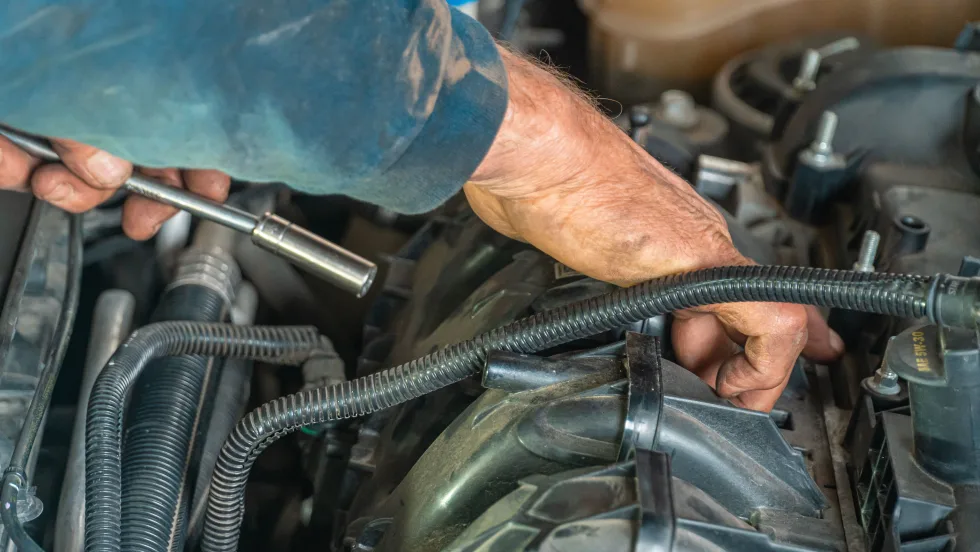
The Future of Car Dealerships
Artificial intelligence is reshaping the service-drive experience and will help retailers stay competitive.

Structure Leads to Optimized Auto Listings
As the average car-buying journey has shifted to a blend of digital and retail, a dealership’s vehicle listings must be optimized to answer shoppers’ questions clearly and accurately.

Real Intelligence
AI, though it presents many opportunities for productivity, efficiency and more, isn’t a one-for-one stand-in for people. It can augment human capital but not replace it altogether.

Zurich Launches Advisor IQ for F&I Manager Coaching
The new platform uses real transaction data and artificial intelligence-driven insights to help car dealerships improve consistency and performance.
F&I in the Digital Age
Digital retailing has not made the F&I manager obsolete. If anything, it has revealed how valuable the role can become when technology is used correctly.