



Used-Vehicle Certification Programs Popular, But High Consumer Expectations Often Unmet
More than 45 million used vehicles are expected to change hands in the coming year. That's three times the number of new vehicles sold. And certified pre-owned vehicles represent a growing segment of the used-car market in the United States. According to a recent BMW/Dohring Co. poll of used-vehicle buyers, more than half (56 percent) said they would consider purchasing a certified pre-owned (CPO) vehicle.
In fact, a majority of those surveyed (52 percent) have an increasingly favorable impression of CPO programs, and have very high expectations for what these programs can deliver. But do all CPO programs measure up?
Certified: The Unregulated Term
"'Certified' is an unregulated term," said Bill Bates, pre-owned marketing manager at BMW of North America. "There is no one standard to which certified used vehicles must adhere, nor is there any one watchdog group that ensures qualifications are met. A 'CPO savvy' consumer, however, can test a program's merit by simply asking a few key questions."
Those questions include:
Consumer Expectations and Realities
Consumers have extremely high expectations of certification programs. According to the BMW/Dohring survey, 98 percent of respondents said they would expect CPO programs to include inspections performed according to a specific set of manufacturers' guidelines. Another 98 percent said they would expect CPO programs to include comprehensive warranties with a clear explanation of terms and conditions. But consumer expectations and CPO realities do not always match.
"Anyone can call a vehicle 'certified,'" said Bates. "Consumers should be aware that there is a wide variety of certified pre-owned vehicle programs out there, and not all CPO programs are created equal."
A Good Bet in 2002
"In today's economic environment, anything that reduces a consumer's risk is a good thing," said Bates. "By its very nature, the purchase of a used car entails risk. Used-car certification programs are designed to reduce that risk, while providing consumers with greater peace of mind."
Two other factors have led to the increased popularity of CPO programs: a greater number of vehicles coming off lease after two to three years in nearly new condition, and dramatic improvements in durability, quality and reliability of new cars over the past decade.
The advent of the spring car-buying season together with the end of some of the aggressive new-car financing programs of last year will bring even more attention to CPO programs, according to Daniel Gorrell, director of Strategic Vision, a San Diego-based consumer research and marketing firm.
"More consumers are recognizing the added value of manufacturers' pre-owned vehicle programs," Gorrell said. "They offer not only financial value in terms of vehicle affordability, but also psychological value by providing a sense of trust and confidence in the product. That value must be protected by making certain there are distinctions made between CPO programs."
The pre-owned vehicle business has taken on increasing importance in the automobile industry in general, and BMW in particular. For the year 2001, BMW sold 39,883 certified pre-owned vehicles to lead the luxury CPO segment. In December 2001, 4,007 CPO vehicles were sold - a 24 percent increase over the 3,228 units sold in December of 2000.
About BMW of North America
BMW of North America has been present in the United States since 1975. Since then, the BMW Group in the United States has grown to include marketing, sales and financial service organizations for the BMW and MINI brands; a South Carolina manufacturing operation; DESIGNWORKS/USA, an industrial design firm in California; a technology office in Silicon Valley and various other operations throughout the country.
The BMW Group is represented in the United States through a network of 340 car, 327 sports activity vehicle and 148 motorcycle retailers.
BMW US Holding Corp., the Group's headquarters for North, Central and South America, is located in Woodcliff Lake, N.J.
More Digital

AI: Facilitator, Not Fixer, in F&I
The dealerships that thrive in the years ahead will be those that embrace technology while continuing to invest in the people who make customer interactions count.
Read More →
Simple But Effective Hacking Surges
Data from the past year at U.S. auto dealerships finds that email and identity phishing are growing threat sources that can dispense with malware by exploiting trust.
Read More →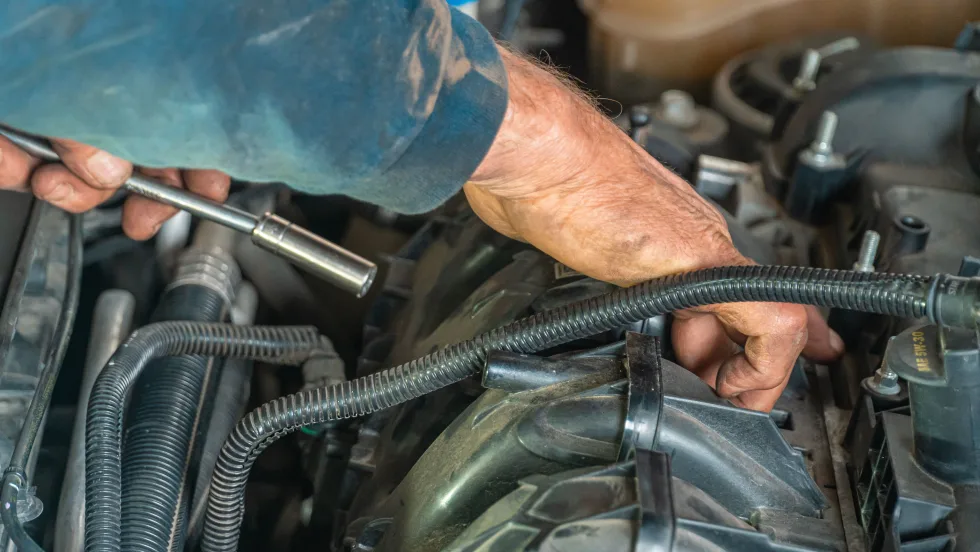
The Future of Car Dealerships
Artificial intelligence is reshaping the service-drive experience and will help retailers stay competitive.
Read More →
Structure Leads to Optimized Auto Listings
As the average car-buying journey has shifted to a blend of digital and retail, a dealership’s vehicle listings must be optimized to answer shoppers’ questions clearly and accurately.
Read More →
Real Intelligence
AI, though it presents many opportunities for productivity, efficiency and more, isn’t a one-for-one stand-in for people. It can augment human capital but not replace it altogether.
Read More →
Zurich Launches Advisor IQ for F&I Manager Coaching
The new platform uses real transaction data and artificial intelligence-driven insights to help car dealerships improve consistency and performance.
Read More →
F&I in the Digital Age
Digital retailing has not made the F&I manager obsolete. If anything, it has revealed how valuable the role can become when technology is used correctly.
Read More →
Need for Speed: EV Apps Lack Consistency
Fifty-five percent of surveyed EV owners said their mobile applications had a major or moderate impact on their purchasing decisions, but connectivity issues remain a problem.
Read More →
Four Keys to Your Digital Trail Defense
Federal regulators are cracking down on hidden fees. This protective measure could mean the difference between winning and losing a lawsuit or surviving a duel with the Dark Side.
Read More →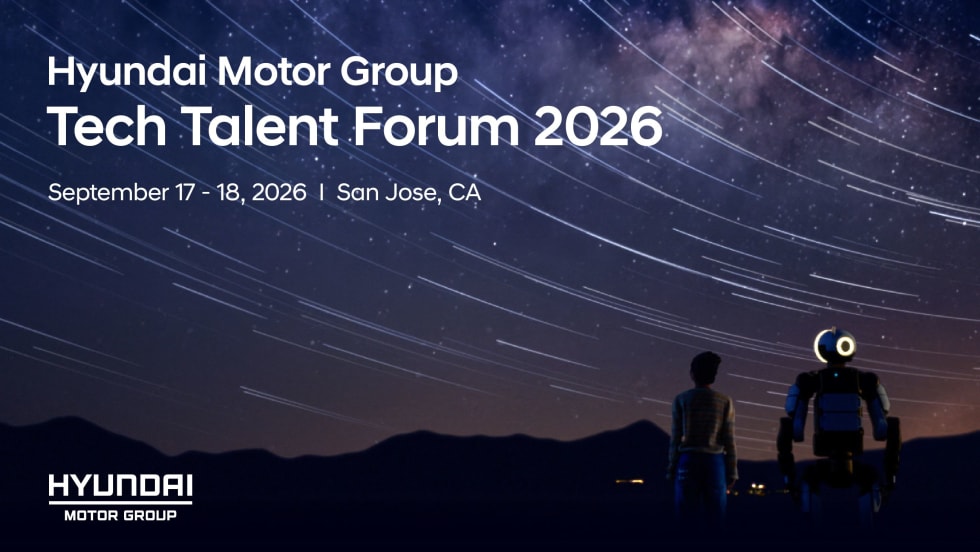
Hyundai Hosts Tech Talent Forum
Technology leaders from Hyundai Motor Group will have open discussions at the inaugural HMG Tech Talent Forum on topics ranging from autonomous driving to 'smart' manufacturing.
Read More →