



Vehicle Blind Spots Expanding
IIHS examination shows redesigns have eroded driver visibility over the past 25 years as pedestrian, cyclist deaths jumped.


Vehicle design can increase fatality risk in various ways, including higher front ends in higher-speed crashes and those with blunt front ends, IIHS has found.
Pexels/Sarmad Mughal
A new vehicle safety analysis method shows that some top-selling vehicles’ blind spots have expanded significantly over the past quarter-century.
The Insurance Institute for Highway Safety compared the driver vision ranges in half a dozen models that included SUVs, cars and a pickup truck. It found that as the vehicles were redesigned over the decades, drivers’ forward visibility fell, especially for the SUVs and pickup.
As the three examined SUVs underwent several redesigns between 1997 and 2023, the driver’s forward visibility within about a 10-yard radius plummeted by as much as 58%. The truck’s near-distance visibility fell 17% after starting out with “extremely” large blind spots.
By contrast, the cars’ driver visibility started out relatively good and fell by less than 8% over its redesigns.
IIHS examined the Chevrolet Suburban, Ford F-150, Honda Accord, Honda CR-V, Jeep Grand Cherokee and Toyota Camry changed over model years 1997 to 2023, which involved 17 separate designs among the six.
To map driver blind spots, it used computational software and a portable camera rig. It’s now comparing blind spots for about 150 vehicle models.
The nonprofit group noted that the erosion in driver visibility has coincided with a surge in cyclist and pedestrian traffic deaths. It said the comparison method could help it study vehicle design’s effect on crash risk.
During the studied time period, the organization said U.S. pedestrian fatalities have spiked 37% and cyclist traffic deaths by 42%.
IIHS says other factors also likely play a part in the increased fatalities, including increases in speeding and inadequate pedestrian infrastructure, as well as vehicle size and shape changes. In the latter, it’s linked higher front ends in higher-speed crashes and those with blunt front ends to increased fatality risk, for instance.
More Industry
Connection Drives Consideration
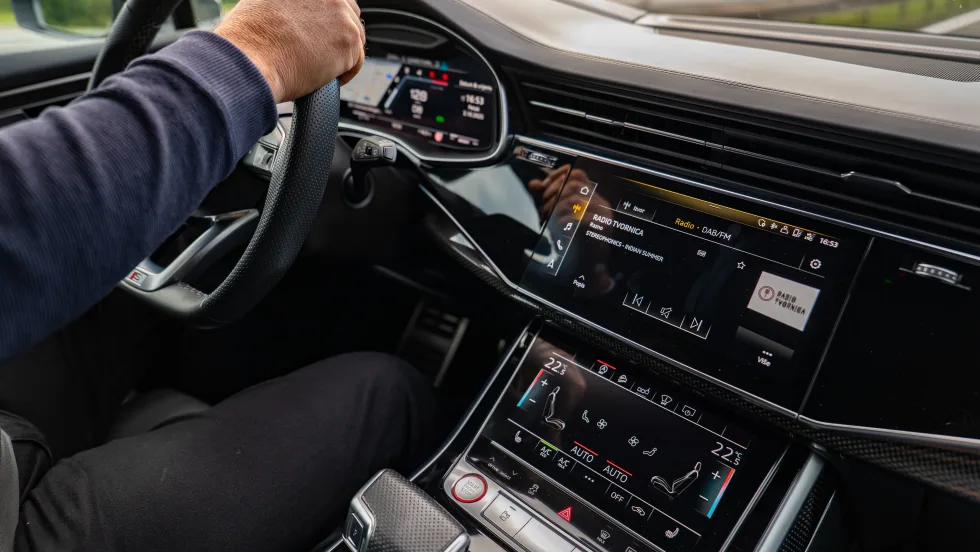
Convenience and safety are top priorities for American drivers when it comes to connected vehicles and the services they expect with their next car.
Read More →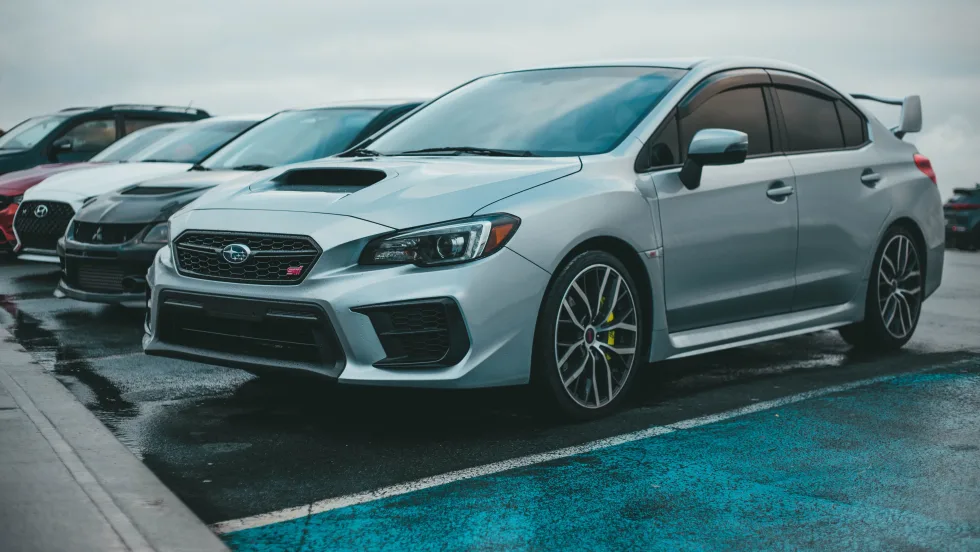
New-Vehicle Prices Stay Put
Affordability pressures and model availability shaped new-vehicle sales in September, according to an analysis by Kelley Blue Book.
Read More →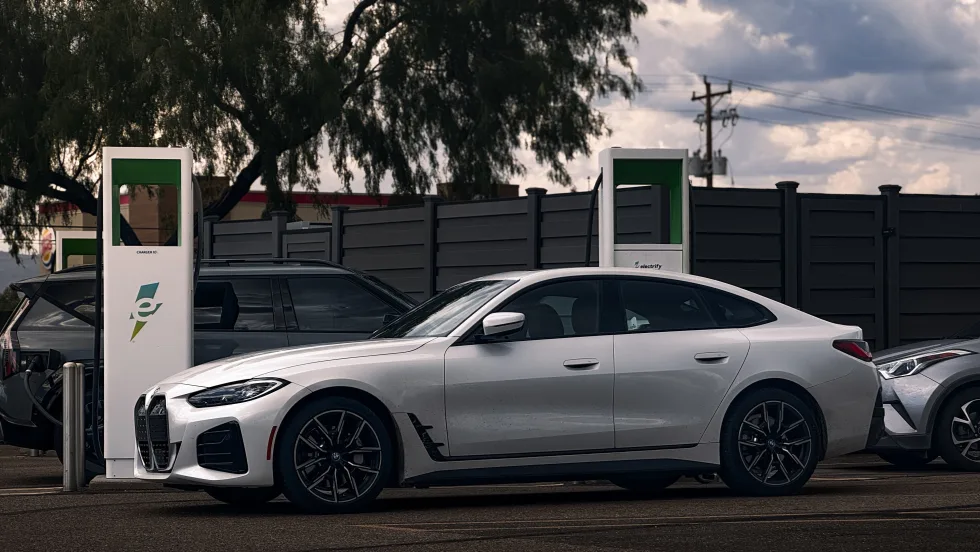
EV Buyer Consideration Shifts
What drives American consumers to purchase an electric vehicle is shifting as the question moves away from Should I?' to 'Which features and experience do I want to have?'
Read More →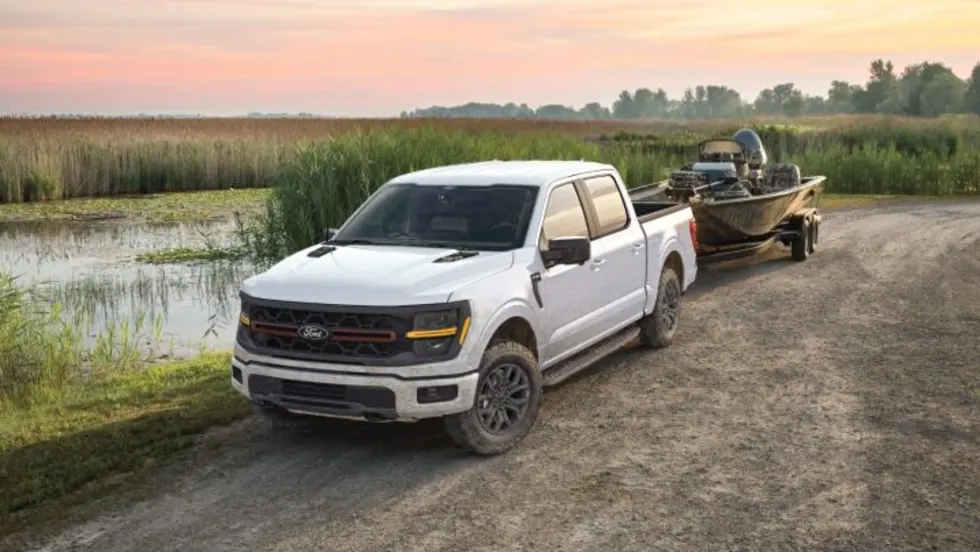
Auto Nameplate Loyalty Holds in Tough Times
Consumers have been faithful to brands despite financial pressures, and JD Power says that’s because automakers have made some wise moves.
Read More →
Top New Jersey RV Store Sells
Myer’s RV Superstore is expanding its footprint in the state with two new locations that it acquired from Ed Hutchinson Jr.
Read More →
Alliance Analyzes Technician Pipeline
A new industry report examines the state of skilled trades in the U.S. and details the drivers of demand for automotive repair and how technicians enter and grow in the workforce.
Read More →
Luxury Rooftop Changes Hands
Genesis of Glenview is getting a new owner and a new location, but its name will stay the same.
Read More →
Future-Proof Your Business
A new industry outlook details several ways that automotive companies can use the rise in artificial intelligence and advanced technologies to their advantage.
Read More →
Dealership Buy-Sells Keep Going Up
First-half transactions reflect continued high appetite for acquisitions despite falling profits, the most sought-after franchises bringing record prices.
Read More →
California Makes Electric Moves
New laws in the Golden State aim to advance consumer access to public electric-vehicle chargers and reduce costs and barriers to its infrastructure.
Read More →