



Benefits of Associating
Tariffs challenge will be easier to face with the support of dealer associations.


It seems wise to lean on dealer associations now as many dealerships did during the pandemic.
Pexels/Mikhail Nilov
As the auto industry absorbed news of 25% tariffs on vehicle and auto parts imports this spring, I quickly thought of the strong network of dealer associations across the country.
As I write this column after President Trump signed the executive order, it was impossible to know how trade policy may have developed, and the policy is still in almost daily flux, including a mid-May 90-day slashing of tariffs on imports from China. Well before the March order, the administration’s dizzying series of proclamations, reversals and adjustments had become challenging to keep up with for most observers of U.S. tariff developments.
Regardless of how it ultimately pans out, dealers can lean on their state and national trade groups to help them understand and adapt to changes, along with the effects tariffs may bring.
When news of the tariffs order broke, it seemed clear that Trump aims to bring auto manufacturing jobs back to the states by disincentivizing use of other countries’ plants and parts suppliers.
If he follows through with the tariffs and even makes them “permanent,” industry analysts expect them to raise new- and used-vehicle prices by at least 10%, in addition to bumping up repair, maintenance and insurance rates.
March new-vehicle sales seemed to foreshadow a consumer base pulling back further on demand due to expected higher prices in a shift that would arrest the gradual recovery from the pandemic. Sales for the month were brisk, and analysts said many of the shoppers were trying to squeeze in their big purchases before the tariffs took effect.
Many consumers had already been either delaying or taking advantage of any incentives they could find to afford new or used cars. Electric-vehicle leases were a popular way to save due to federal tax credits that exempt them from manufacturing restrictions, and Trump has said he wants to eliminate those.
Finance-and-insurance sales, if the tariffs play out as ordered in March, will become ever more important for dealers to shore up profits.
Still, many auto borrowers’ budgets were already stretched too thin. Loan amounts, delinquencies and consumers with monthly payments above $1,000 all increased in the fourth quarter. Interest rates remain high due to stubborn inflation that could worsen with automotive and other tariffs. And then there are vehicle prices.
Given the myriad challenges and complexities, it seems wise to lean on the dealer associations now as many dealerships did during the pandemic. Putting heads together often brings collective solutions to forge a clear path forward.
LEARN MORE: California Leading
More Industry
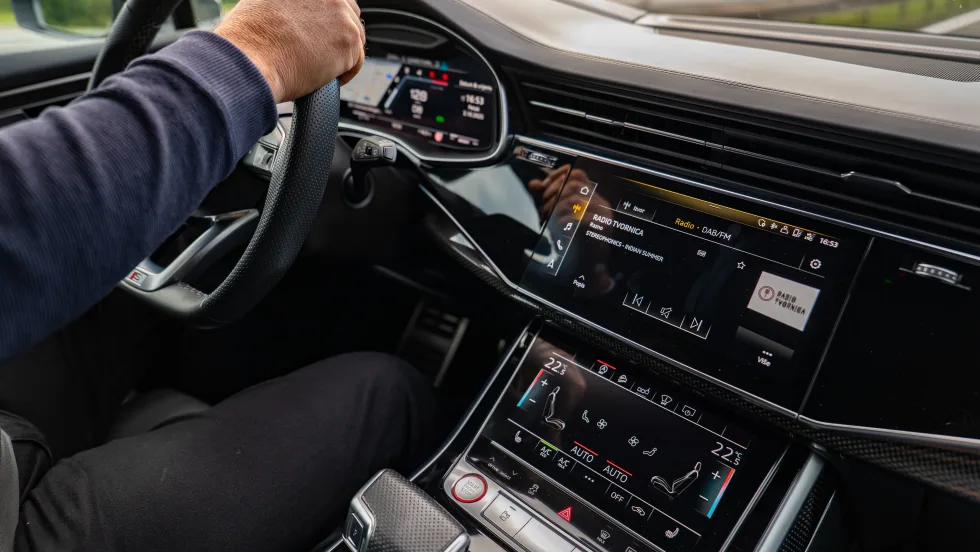
Connection Drives Consideration
Convenience and safety are top priorities for American drivers when it comes to connected vehicles and the services they expect with their next car.
Read More →
New-Vehicle Prices Stay Put
Affordability pressures and model availability shaped new-vehicle sales in September, according to an analysis by Kelley Blue Book.
Read More →
EV Buyer Consideration Shifts
What drives American consumers to purchase an electric vehicle is shifting as the question moves away from Should I?' to 'Which features and experience do I want to have?'
Read More →
Auto Nameplate Loyalty Holds in Tough Times
Consumers have been faithful to brands despite financial pressures, and JD Power says that’s because automakers have made some wise moves.
Read More →
Top New Jersey RV Store Sells
Myer’s RV Superstore is expanding its footprint in the state with two new locations that it acquired from Ed Hutchinson Jr.
Read More →
Alliance Analyzes Technician Pipeline
A new industry report examines the state of skilled trades in the U.S. and details the drivers of demand for automotive repair and how technicians enter and grow in the workforce.
Read More →
Luxury Rooftop Changes Hands
Genesis of Glenview is getting a new owner and a new location, but its name will stay the same.
Read More →
Future-Proof Your Business
A new industry outlook details several ways that automotive companies can use the rise in artificial intelligence and advanced technologies to their advantage.
Read More →
Dealership Buy-Sells Keep Going Up
First-half transactions reflect continued high appetite for acquisitions despite falling profits, the most sought-after franchises bringing record prices.
Read More →
California Makes Electric Moves
New laws in the Golden State aim to advance consumer access to public electric-vehicle chargers and reduce costs and barriers to its infrastructure.
Read More →