



Dealers Question Image Program Incentives, ROI
The NADA-commission facility study blames overbuilding and waste on overly optimistic volume forecasts, while smaller operations say image programs hurt them the most.
The facility study the NADA commissioned last summer revealed deep resentment among dealers toward factory-mandated image programs, especially among smaller operations. Dealer respondents also questioned how automakers handle incentive programs and calculate expected returns on investment.
Conducted by Glenn Mercer, an industry consultant, the study surveyed 24 privately owned dealerships and six large, publicly held dealer groups. Respondents said facility programs are biased against smaller dealerships because the programs don’t scale in a linear way.
“If a large dealership selling 100 units a month needs a new entry portal that cost $150,000, a small dealership selling 10 units a month won’t be able to get away with a $15,000 portal,” one respondent was quoted as saying.
How manufacturers handle incentives related to their facility programs was another point of contention. For example, dealers questioned about how long an increased allocation incentive would run for, or how long a per-car bonus would continue. They also wondered if an OEM would end an incentive program if it ran into financial issues.
Other issues highlighted included pricing confusion related to per-car incentives (is two-tier pricing intended or not?), program funding (if an OEM rebalances the allocation of the MSRP-wholesale price margin for the purposes of funding, is this just moving money around?), and whether incentives linked to sales volume are encouraging a different behavior than the facility program was intended to deliver.
Overbuilding and waste was another issue, which the study attributed to overly optimistic volume forecasts made by OEMs and outdated capacity formulas. Mercer’s findings suggested that more accurate forecasting is necessary to get more dealers on board with such programs.
Participants also were skeptical of requests to standardize facility interiors. The study recommended that each OEM, and its dealers, “think through the specific links between standardized appearance, car sales, and customer satisfaction.”
Dealer respondents also said they want quantifiable return-on-investment data before they invest money in modernizing their facilities.
Lastly, the survey, which included interviews with 12 OEMs and experts in various aspects of automotive retailing, recommended that dealers and automakers work together to determine what the “dealership of the future” will look like given the influence of Internet sales on the auto-buying process.
In his April column posted to the NADA Website, Chairman William Underriner suggested that manufacturers establish facility committees within their dealer council structures, which he said could help head off facility cost issues before they are “cast in concrete.” He added that the association has met with a number of manufacturers regarding the study’s finding, some of which have said they plan to be more flexible.
“Others say they will do a better job of communicating with dealers … others say they plan to reevaluate their image programs based on the study,” Underriner wrote, in part.
“There is great and very understandable angst among dealers over automaker programs that require expensive dealership renovations, especially when they appear arbitrary and do nothing to sell more cars or satisfy customers,” he added.
The following are the three type of store upgrades the study identified:
(1) Expansion: Adding a showroom or service bays to support growth in units in operation, for example. Here the study found that unreasonably high and frequently changing OEM volume forecasts, as well as outdated capacity formulas, can lead to overbuilding and waste. Better, more reasonable forecasting is needed to make expansion investments more tailored and worthy of dealer support.
(2) Modernization: Upgrading facilities to contemporary standards in tile, furniture, fixtures, etc. The study showed that many dealers are skeptical of the need to invest such large sums of money because there is an absence of clear, quantified return on investment data. The study asks manufacturers for more competition among vendors and more flexibility in OEM design standards, which would benefit automakers and dealers alike.
(3) Standardization: Designing the interior and exterior look to ensure that every store selling a given brand looks as much like the other stores as possible. This is the most contentious issue, and while highly standardized facilities make sense when customers move around a lot and are looking for their favorite brand—such as hotels or fast-food places—neither condition applies in automotive retailing. Automaker attempts to homogenize the look of dealerships can be counterproductive. The local market, the local culture and the local relations between dealers and their customers are more important than a uniform look. That’s why the study strongly recommends that each OEM and its dealers think through the specific links between standardized appearance, car sales and customer satisfaction. This is especially true today, when so many communities are using local zoning authority to push back against such uniform looks.
More Digital

Simple But Effective Hacking Surges
Data from the past year at U.S. auto dealerships finds that email and identity phishing are growing threat sources that can dispense with malware by exploiting trust.
Read More →
The Future of Car Dealerships
Artificial intelligence is reshaping the service-drive experience and will help retailers stay competitive.
Read More →
Structure Leads to Optimized Auto Listings
As the average car-buying journey has shifted to a blend of digital and retail, a dealership’s vehicle listings must be optimized to answer shoppers’ questions clearly and accurately.
Read More →
Real Intelligence
AI, though it presents many opportunities for productivity, efficiency and more, isn’t a one-for-one stand-in for people. It can augment human capital but not replace it altogether.
Read More →
Zurich Launches Advisor IQ for F&I Manager Coaching
The new platform uses real transaction data and artificial intelligence-driven insights to help car dealerships improve consistency and performance.
Read More →
F&I in the Digital Age
Digital retailing has not made the F&I manager obsolete. If anything, it has revealed how valuable the role can become when technology is used correctly.
Read More →
Need for Speed: EV Apps Lack Consistency
Fifty-five percent of surveyed EV owners said their mobile applications had a major or moderate impact on their purchasing decisions, but connectivity issues remain a problem.
Read More →
Four Keys to Your Digital Trail Defense
Federal regulators are cracking down on hidden fees. This protective measure could mean the difference between winning and losing a lawsuit or surviving a duel with the Dark Side.
Read More →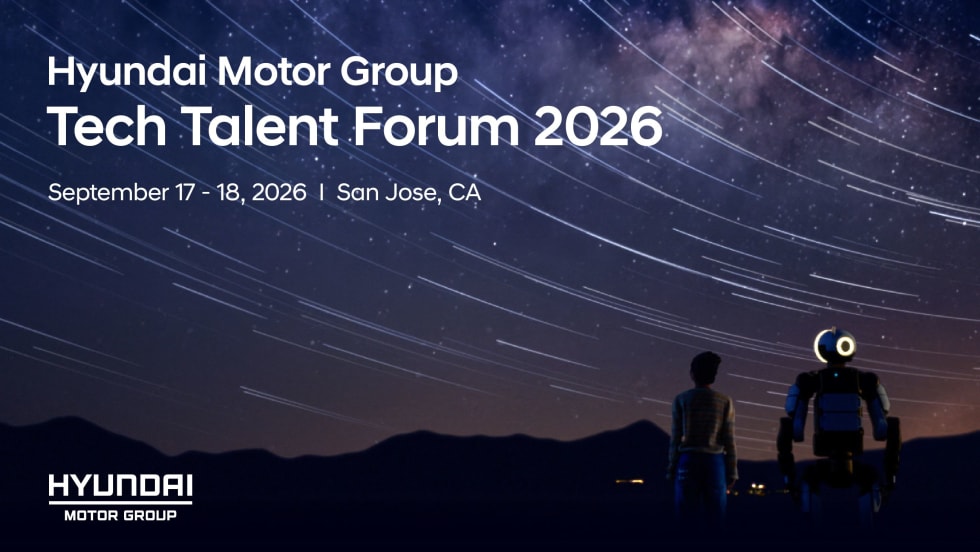
Hyundai Hosts Tech Talent Forum
Technology leaders from Hyundai Motor Group will have open discussions at the inaugural HMG Tech Talent Forum on topics ranging from autonomous driving to 'smart' manufacturing.
Read More →
Dealers Seek Actionable AI
Dealers are facing growing frustrations with current generic artificial intelligence tools, according to a survey by Lotlinx, which found they want a solution that understands their inventories.
Read More →