



IIHS Releases Rating Program for Vehicles with Partial Automation
The new rating system requires safeguards that help drivers stay focused and not treat systems, such as Tesla's Autopilot and Volvo's Pilot Assist, as self-driving cars.

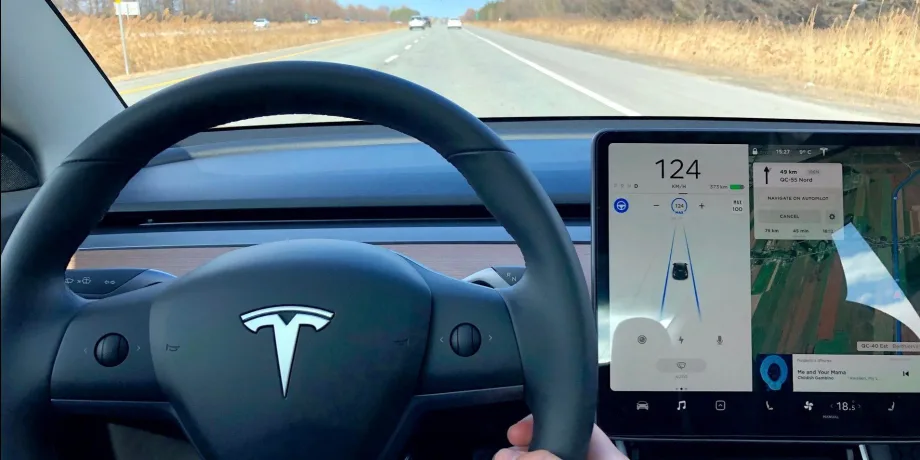
Tesla Autopilot
Tesla
The Insurance Institute for Highway Safety (IIHS) has released a rating program for vehicles with partial automation.
The new rating system requires safeguards that help drivers stay focused and not treat systems, such as Tesla's Autopilot and Volvo's Pilot Assist, as self-driving cars, an IIHS press release said.
Under the rating program, vehicles will receive a rating of either "good," "acceptable," "marginal" or "poor." A "good" rating requires that a car monitors whether drivers keep their hands on the steering wheel and whether they look at the road. The rating also requires that automated lane changes be initiated by the driver and other things.
The IIHS requires the systems to use alerts to remind the driver of this criteria. If the driver fails to respond, the press release reports that the vehicle should slow to a crawl or stop.
Most of today’s semi-automated vehicles do not monitor the hands and automated lane changes. Some manufacturers suggest drivers use partial automation without holding the steering wheel. Other vehicles even allow drivers to use partial automation without wearing a seat belt.
"For some of these things, they are fixes that can be implemented quickly through software," IIHS President David Harkey said. "We are encouraged that the automakers will address some of these problems rather quickly."
While these requirements cannot force drivers to focus, they allow them to take over control quickly if needed, IIHS said.
A noted crash involving partial automation involved a Tesla Model X. Here, the driver was playing a cellphone videogame with autopilot engaged. IIHS hopes the new safeguards will prevent similar crashes.
The new criteria set a standard for safety and will change how automakers and customers talk about partial automation. Automakers must change how they market the systems, says Harkey, but drivers must use them safely, too.
IIHS expects to issue the first set of ratings in 2022, but supply chain issues have made vehicles difficult to obtain for testing.
Consumer Reports, an influential organization that tests vehicles, has warned that research shows human drivers are less likely to pay attention to automated tasks, even if they understand the automation isn't perfect.
The organization reports its testing found flaws in Tesla, BMW and Subaru's driver monitoring systems.
Initially, only Ford and General Motors will earn additional points in its 2022 vehicle ratings next month for driver monitoring systems, reported Consumer Reports. These systems prevented a driver from using active driving assistance when they stopped looking at the road, the organization reported.
NTSB Chair Jennifer Homendy praised the new IIHS rating program as "a meaningful step" toward more informed consumers and safer roads.
Originally posted on Auto Dealer Today
More Digital

AI: Facilitator, Not Fixer, in F&I
The dealerships that thrive in the years ahead will be those that embrace technology while continuing to invest in the people who make customer interactions count.
Read More →
Simple But Effective Hacking Surges
Data from the past year at U.S. auto dealerships finds that email and identity phishing are growing threat sources that can dispense with malware by exploiting trust.
Read More →
The Future of Car Dealerships
Artificial intelligence is reshaping the service-drive experience and will help retailers stay competitive.
Read More →
Structure Leads to Optimized Auto Listings
As the average car-buying journey has shifted to a blend of digital and retail, a dealership’s vehicle listings must be optimized to answer shoppers’ questions clearly and accurately.
Read More →
Real Intelligence
AI, though it presents many opportunities for productivity, efficiency and more, isn’t a one-for-one stand-in for people. It can augment human capital but not replace it altogether.
Read More →
Zurich Launches Advisor IQ for F&I Manager Coaching
The new platform uses real transaction data and artificial intelligence-driven insights to help car dealerships improve consistency and performance.
Read More →
F&I in the Digital Age
Digital retailing has not made the F&I manager obsolete. If anything, it has revealed how valuable the role can become when technology is used correctly.
Read More →
Need for Speed: EV Apps Lack Consistency
Fifty-five percent of surveyed EV owners said their mobile applications had a major or moderate impact on their purchasing decisions, but connectivity issues remain a problem.
Read More →
Four Keys to Your Digital Trail Defense
Federal regulators are cracking down on hidden fees. This protective measure could mean the difference between winning and losing a lawsuit or surviving a duel with the Dark Side.
Read More →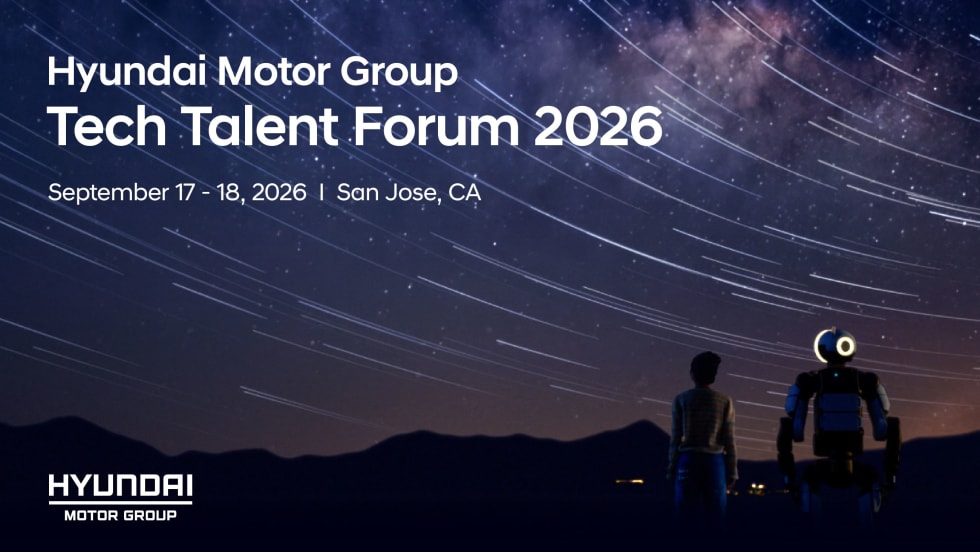
Hyundai Hosts Tech Talent Forum
Technology leaders from Hyundai Motor Group will have open discussions at the inaugural HMG Tech Talent Forum on topics ranging from autonomous driving to 'smart' manufacturing.
Read More →