



Lawmakers Seek U.S. Ban on Chinese Battery Makers
GOP reps, senator call on Dept. of Homeland Security to shut out two companies they say use slave labor.

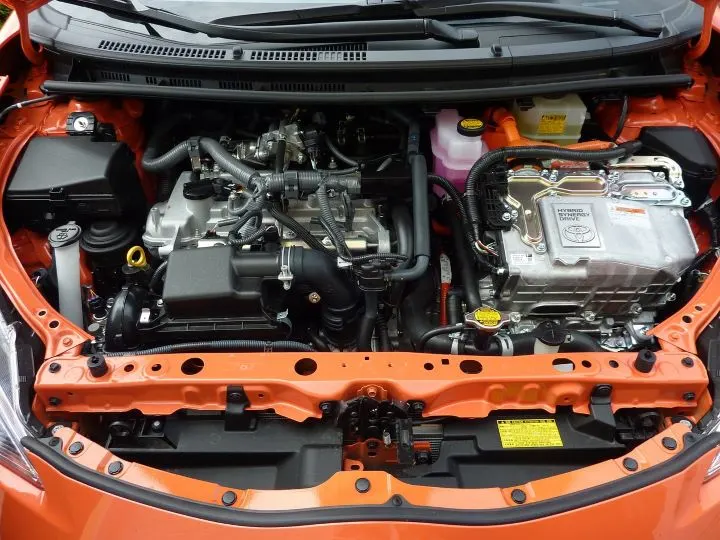
China holds much of the world’s supply of some EV battery materials, such as graphite.
Pixabay/Photoman
A group of Republican congressmen are calling on federal regulators to blacklist two Chinese battery manufacturers they say are using forced labor to make their products.
The lawmakers sent two letters to the Department of Homeland Security, saying that Chinese companies Gotion and CATL are using state-sponsored slave labor by minority populations and that they’ve expanded their U.S. presence.
Reps. John Moolenaar, R-Mich., Mark Green, R-Tenn., Carlos Gimenez, R-Fla, and Darin LaHood, R-Ill., and Sen. Marco Rubio, R-Fla., urged the department to add the companies to the “entity list” that bans from the U.S. products made by companies believed to be using forced labor.
The Biden administration has been separately taking steps to limit electric-vehicle batteries and battery materials from the U.S. market, in part by tying EV tax credits to vehicles with limited materials from Chinese and other “foreign entities of concern.” Last month, it did temporarily ease the restrictions to give U.S. automakers more time to comply.
China holds much of the world’s supply of some EV battery materials, such as graphite, but the U.S. is trying to speed development of domestic sources and battery manufacturing to eliminate dependence on its transpacific rival.
Moolenaar, chairman of the House Select Committee on the Chinese Communist Party, said in a statement on the letters, “The American people expect companies in the U.S. to avoid all involvement with the Chinese Communist Party’s campaign of genocide.”
Originally posted on Auto Dealer Today
More Industry
New-Vehicle Prices Stay Put
Affordability pressures and model availability shaped new-vehicle sales in September, according to an analysis by Kelley Blue Book.
Read More →
EV Buyer Consideration Shifts
What drives American consumers to purchase an electric vehicle is shifting as the question moves away from Should I?' to 'Which features and experience do I want to have?'
Read More →
Auto Nameplate Loyalty Holds in Tough Times
Consumers have been faithful to brands despite financial pressures, and JD Power says that’s because automakers have made some wise moves.
Read More →
Top New Jersey RV Store Sells
Myer’s RV Superstore is expanding its footprint in the state with two new locations that it acquired from Ed Hutchinson Jr.
Read More →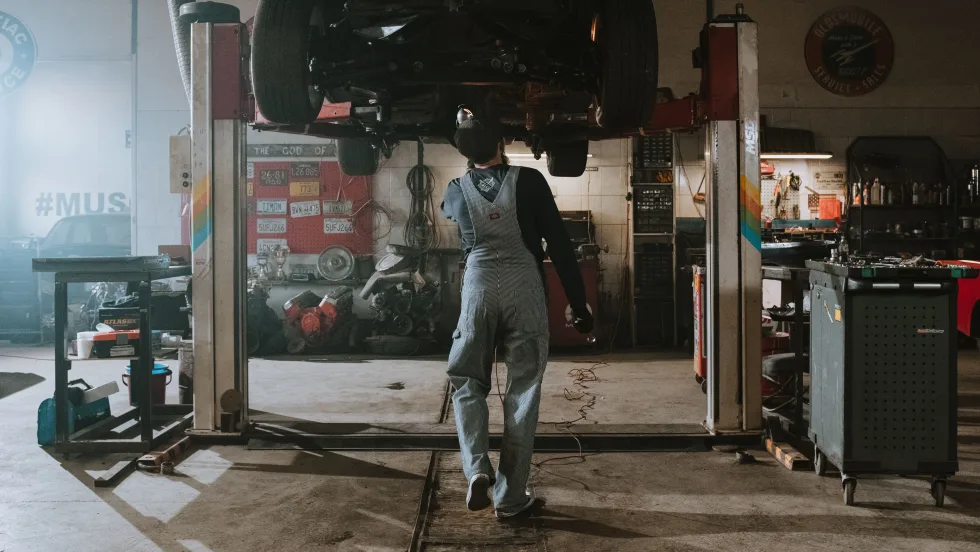
Alliance Analyzes Technician Pipeline
A new industry report examines the state of skilled trades in the U.S. and details the drivers of demand for automotive repair and how technicians enter and grow in the workforce.
Read More →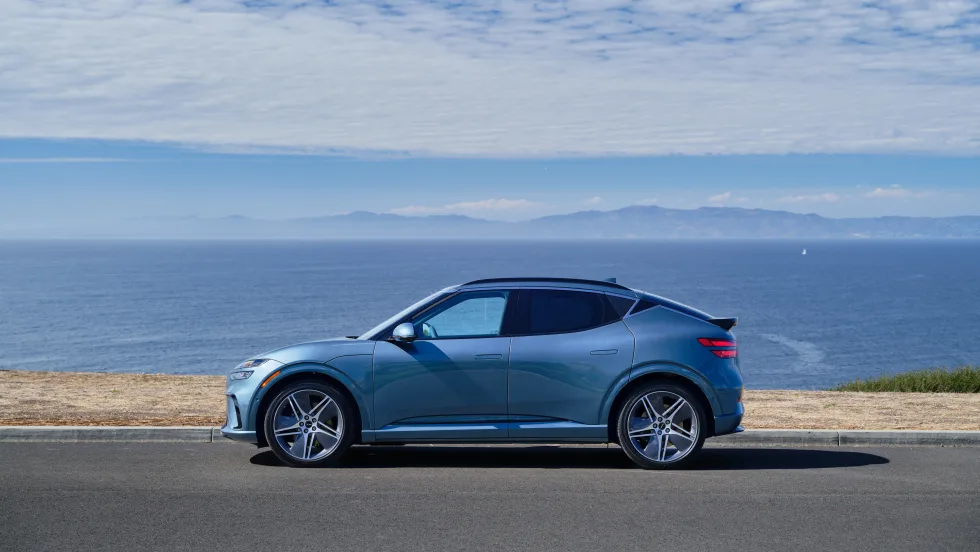
Luxury Rooftop Changes Hands
Genesis of Glenview is getting a new owner and a new location, but its name will stay the same.
Read More →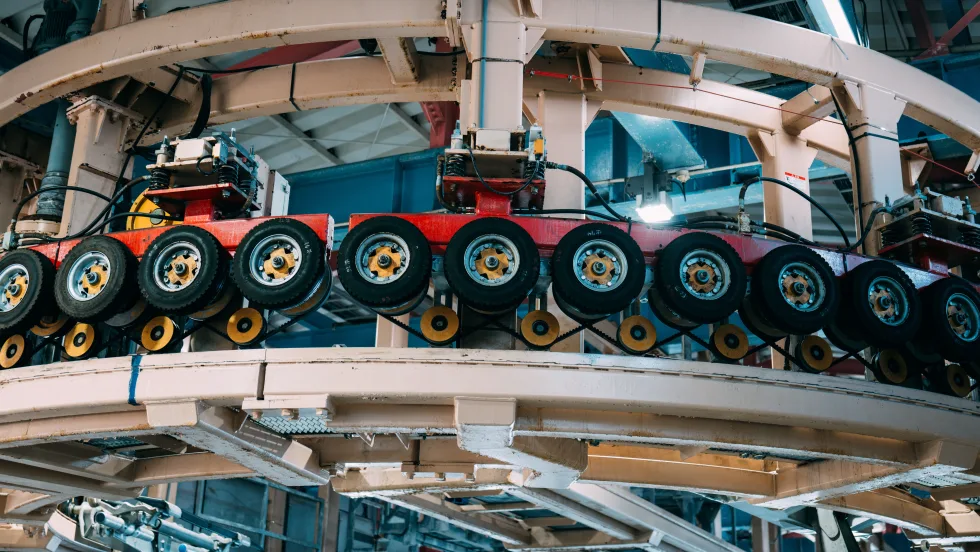
Future-Proof Your Business
A new industry outlook details several ways that automotive companies can use the rise in artificial intelligence and advanced technologies to their advantage.
Read More →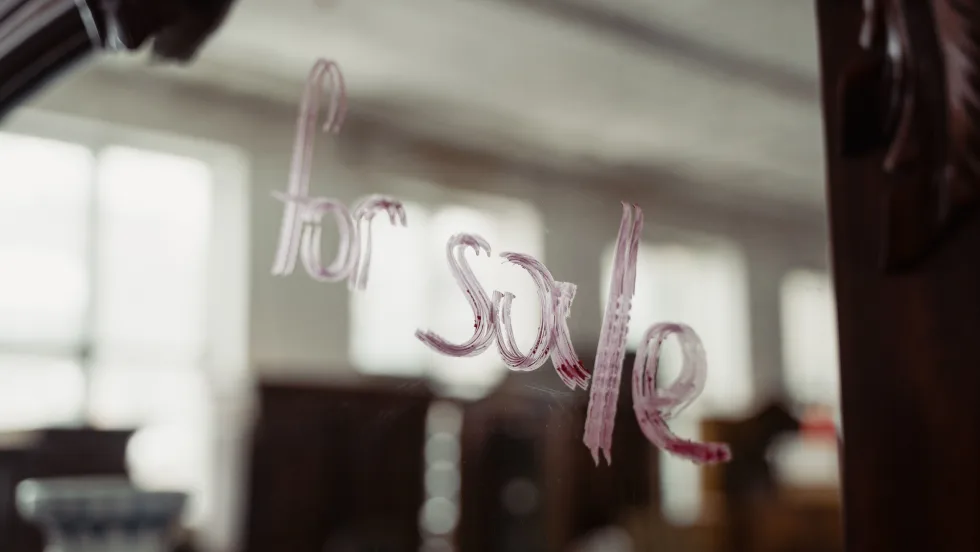
Dealership Buy-Sells Keep Going Up
First-half transactions reflect continued high appetite for acquisitions despite falling profits, the most sought-after franchises bringing record prices.
Read More →
California Makes Electric Moves
New laws in the Golden State aim to advance consumer access to public electric-vehicle chargers and reduce costs and barriers to its infrastructure.
Read More →
Rare Earths Independence
Automakers seek alternatives to sourcing battery raw materials in volatile markets roiled by trade wars and disrupted supply chains.
Read More →